You Can't Protect a Tree You Don't Know
At Forest by the Hills, conservation begins with knowing the forest.
Most of us know what a mango tree looks like.
Perhaps a neem. A banyan. A coconut tree.
But could you recognise a Kakad?
Or a Khandol, Ain, Bhilawa, Kuda, Mahuva or Kumbha?
Probably not.
And yet, these are some of the many species that make up the landscape of Forest by the Hills.
A detailed documentation exercise undertaken at FBH has identified 50 different species of trees and plants across the property—each photographed, identified and documented with its botanical name, characteristics, ecological role and, in many cases, its place in Indian culture and traditional knowledge.
For us, this is more than a biodiversity exercise.
It is an exercise in learning to see the forest.
A forest isn't just "green"
From a distance, a forest can appear to be one continuous mass of green. Walk through it with someone who knows trees, however, and an entirely different world reveals itself.
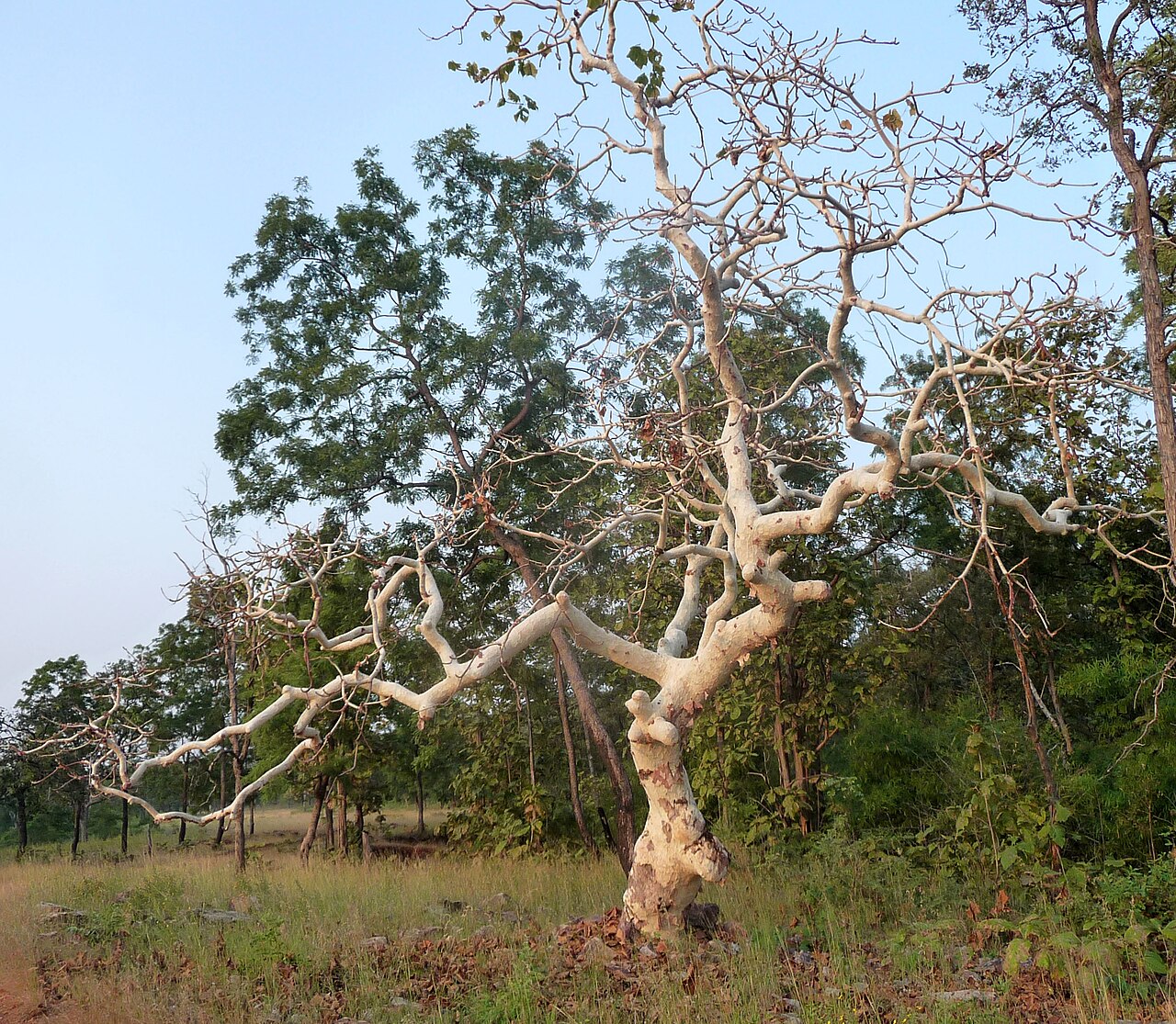
Khandol
That pale, peeling trunk is the Khandol, sometimes called the ghost tree.
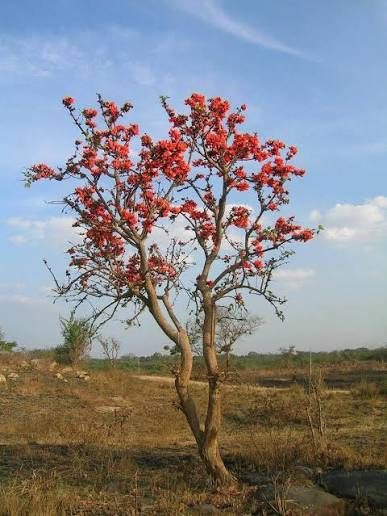
Palash
The tree erupting in brilliant orange-red flowers is Palash.
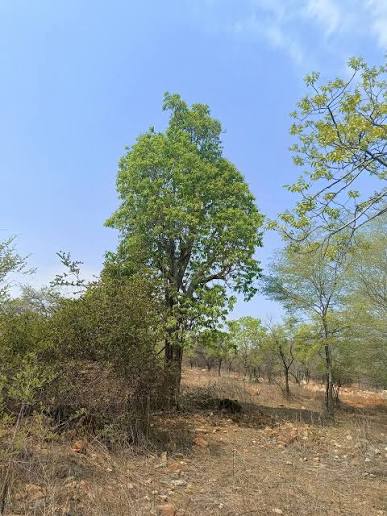
Ain
The one with the distinctive crocodile-like bark is Ain.
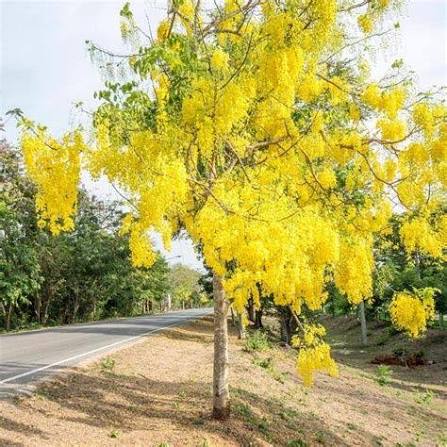
Bahawa
Those spectacular yellow cascades belong to the Bahawa, or Golden Shower Tree.
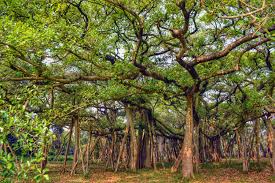
Banyan
The enormous canopy supported by aerial roots is the Vad, our familiar Banyan.
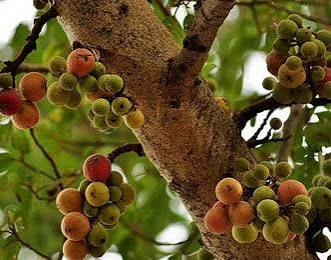
Umbar
And the fruit growing strangely in clusters directly from a trunk belongs to the Umbar, or Cluster Fig.
Suddenly, what was simply a forest becomes a neighbourhood. And you begin meeting the neighbours.
50 species. 50 different stories.
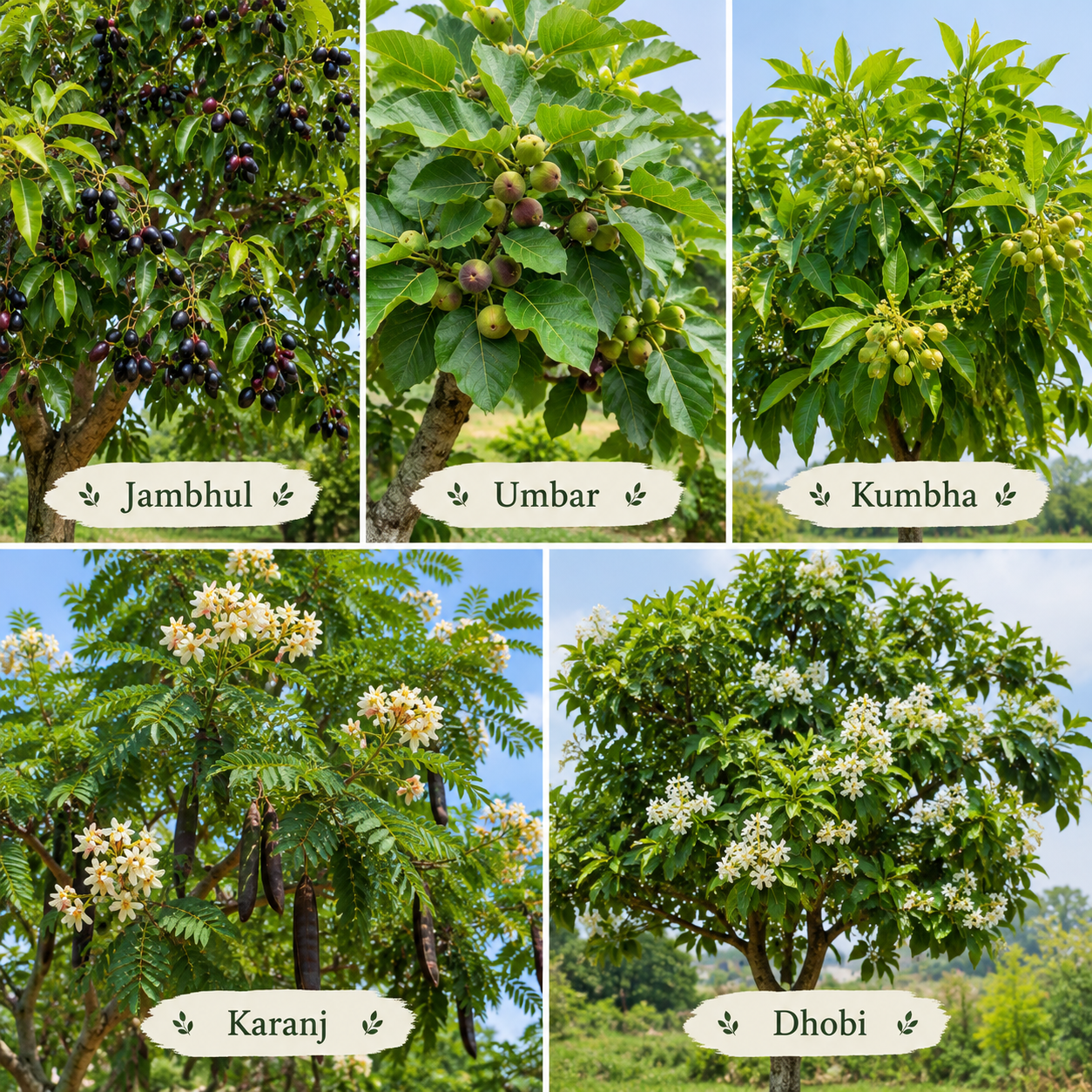
One of the most fascinating things about the FBH tree documentation is how different these species are from one another.
Some feed wildlife.
The Jambhul attracts birds and animals when its deep-purple fruit appears. The fruits of the Umbar provide food for numerous birds and animals. The Kumbha, or Wild Guava, produces fruit that provides sustenance to wildlife. Mahuva flowers provide nectar for bees and birds.
Some help other life flourish.
The flowers of Karanj attract pollinators. The Dhobi uses conspicuous white bracts to attract bees and butterflies. The Indian Rock Fig supports the extraordinary relationship between figs and the wasps that pollinate them.
Some protect the land itself.
The report describes species that contribute to soil stabilisation, erosion control and land restoration. The Banyan's vast root system, for instance, helps prevent soil erosion, while Karanj's nitrogen-fixing roots enrich the soil.
A forest, then, isn't a collection of trees.
It is a collection of relationships.
Some have been part of our lives for centuries
What makes the collection particularly fascinating is that the story isn't purely ecological.
It is cultural too.
The Bael is associated with Lord Shiva. The Kadamba with Krishna. Apta leaves are traditionally exchanged during Dussehra. The Banyan has been a meeting place at the heart of Indian villages for generations. Ashoka occupies a special place in Hindu and Buddhist traditions. Palash has given us natural colours used during Holi.
Others have fed us, healed us, shaded us and provided materials for generations: Tamarind, Ber, Mango, Neem, Jambhul, Mahuva, Karanj and Bamboo among them.
There is an extraordinary amount of human history contained in a forest.
And this is precisely why we documented them.
At Forest by the Hills, we have always believed that conservation cannot simply be an instruction:
Don't cut trees.
It has to become an understanding of why those trees matter.
When someone knows that the strange white tree beside their path is a Khandol…
When a child learns to recognise a Palash from its fiery flowers…
When a family discovers that the enormous tree on their acre is an Ain…
When residents begin noticing when the Mahuva flowers or the Jambhul fruits…
something changes.
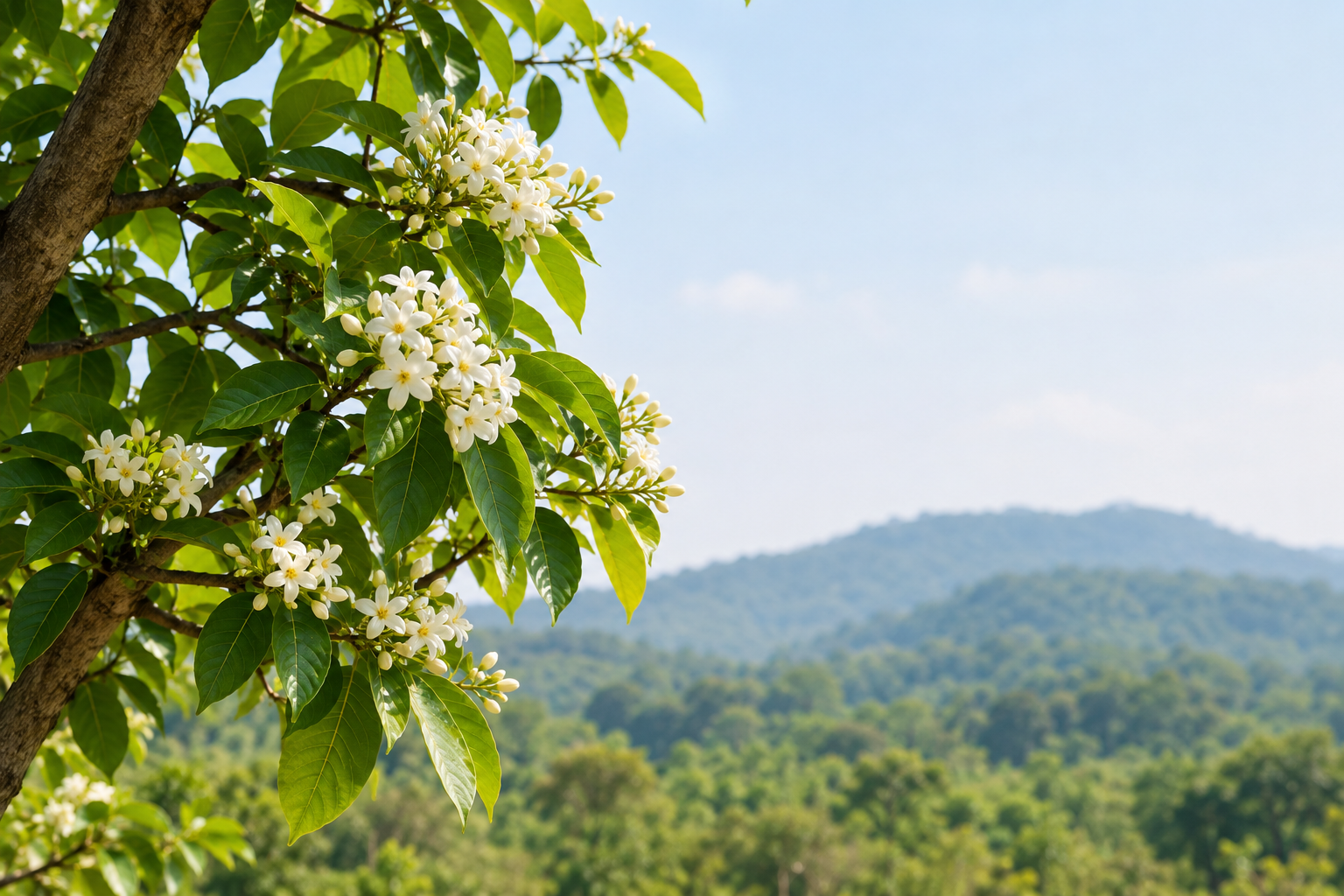
The tree stops being anonymous.
It acquires a name.
And once something has a name, it becomes much harder not to care about it.
From landowners to custodians
That idea is particularly important at FBH.
We don't want people merely to own an acre inside a forest.
We want them to gradually know their acre.
Which trees grow on it?
Which ones flower in summer?
Which bear fruit?
Which attract birds?
Which provide food for butterflies, bees and other pollinators?
Which old trees were standing there decades before we arrived?
The tree documentation gives us the beginnings of that knowledge.
And over time, we want to bring it alive across FBH—through tree identification, signage, nature walks, biodiversity surveys and conversations that help residents and visitors understand the landscape around them.
The objective isn't to turn everyone into a botanist.
It is simply to make us all a little more observant.
Because observation creates familiarity.
Familiarity creates affection.
And affection creates stewardship.
The forest came first.
Perhaps that's ultimately the philosophy behind Forest by the Hills.
We didn't plant a few trees around a real-estate development and call it a forest.
We found ourselves in a landscape filled with trees—and decided that the trees deserved to remain part of its future.
The survey tells us that Teak dominates parts of Phase 1, while Phases 2 and 3 contain a much broader mix including Kakad, Palash, Khair, Ain, Mahuva, Karvand, Vad, Bhilawa and Dhawda.
But the real value of documenting them isn't the list.
It is what happens after the list exists.
People begin recognising trees.
They begin talking about them.
Children begin learning their names.
Residents begin protecting the ones growing on their land.
And gradually, an acre of property starts being seen differently.
Not simply as land that someone owns.
But as a small piece of a forest that has been entrusted to them.
And perhaps that's where conservation truly begins.